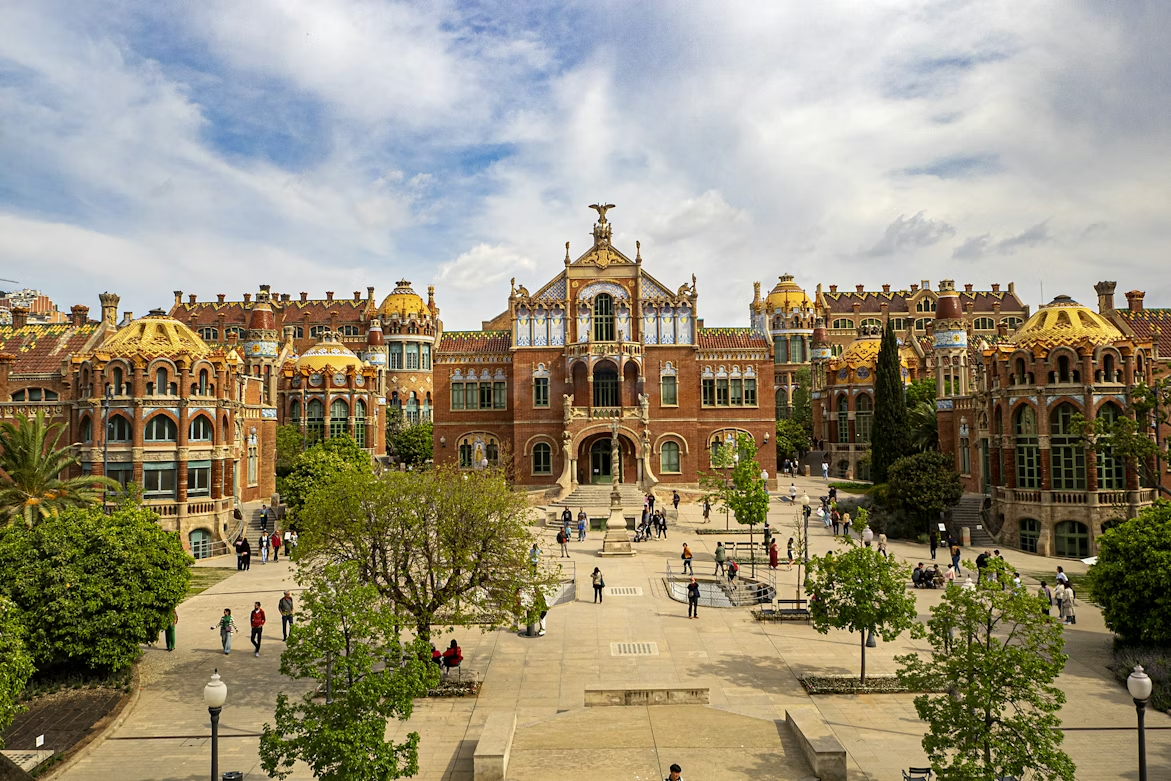
Discovering the Rich Cultural Heritage of Barcelona
Barcelona, the vibrant capital of Catalonia, is known for its stunning architecture, passionate history, and rich cultural heritage. A city that merges the old with the new, Barcelona offers a unique experience to visitors, allowing them to dive deep into its traditions, art, and lifestyle. From ancient Roman ruins to modernist masterpieces, the cultural tapestry of Barcelona is both diverse and captivating.
A Glimpse into Barcelona’s History
The history of Barcelona dates back over 2,000 years, beginning as a Roman city called Barcino. Visitors can explore the remnants of its Roman past, particularly in the Gothic Quarter, where ancient walls echo stories of bygone eras. The city has undergone numerous transformations, influenced by various cultures including the Moors, the Franks, and the Catalonians, all of which have contributed to its unique identity.
Architectural Wonders
Barcelona is perhaps best known for its extraordinary architecture, most notably the work of Antoni Gaudí. His creations are woven deeply into the city’s landscape, making them a must-visit for anyone exploring Barcelona’s cultural heritage.
1. La Sagrada Família
The iconic La Sagrada Família is a testament to Gaudí’s genius. Under construction since 1882, this basilica is characterized by its intricate facades and towering spires. It’s not just a building; it’s a symbol of faith and craftsmanship. The interior is equally stunning, resembling a forest with its pillars representing trees, allowing light to filter in and creating a serene atmosphere.
2. Park Güell
Another Gaudí masterpiece, Park Güell is a colorful public park filled with whimsical structures, mosaic tiles, and sprawling gardens. Originally conceived as a residential area, the park now serves as a vibrant garden and viewpoint, offering sweeping views of the city. The intricate designs and organic shapes found throughout the park celebrate the harmony between nature and architecture.
3. Casa Batlló and Casa Milà
Located along the famous Passeig de Gràcia, Casa Batlló and Casa Milà (La Pedrera) showcase Gaudí’s distinctive style through their organic forms and vibrant colors. Casa Batlló, often referred to as the “House of Bones,” features a façade that resembles a dragon, while Casa Milà is known for its wavy stone façade and rooftop chimneys resembling warriors. Both buildings are UNESCO World Heritage Sites and exemplify the Modernisme architectural movement.
The Artistic Scene
Beyond architecture, Barcelona is home to a lively arts scene that encompasses everything from traditional Catalan folk art to contemporary creations. The city has produced several renowned artists, including Pablo Picasso and Joan Miró, and offers numerous galleries and museums that showcase their works.
1. Museu Picasso
The Museu Picasso is dedicated to the formative years of Pablo Picasso, featuring an extensive collection of his artworks. This museum not only showcases paintings but also drawings, ceramics, and engravings that reflect the artist’s early influences and his deep connection to Barcelona.
2. Fundació Joan Miró
Located on Montjuïc hill, the Fundació Joan Miró celebrates the works of the surrealist artist Joan Miró. The museum houses a vast collection of his paintings, sculptures, and textiles, offering insights into his creative process. The building itself is a piece of art, designed by Miró, creating an immersive experience for visitors.
Catalan Traditions and Festivals
Catalonia’s rich cultural heritage is also reflected in its traditional festivals and customs. Unique celebrations, rooted in history, attract thousands of visitors each year.
1. La Mercè
One of the most prominent festivals is La Mercè, held in September to honor the patron saint of Barcelona. This week-long celebration includes parades, concerts, fireworks, and the famous castells, a tradition that involves creating human towers. The festival embodies the spirit of Barcelona and showcases the unity of its people.
2. Sant Jordi’s Day
Celebrated on April 23rd, Sant Jordi’s Day (St. George’s Day) is a beloved Catalan tradition where books and roses are exchanged between loved ones, reminiscent of Valentine’s Day. The streets of Barcelona are adorned with stalls selling books and flowers, creating a festive atmosphere that emphasizes love, culture, and literature.
Culinary Heritage
Barcelona is also known for its exquisite cuisine, influenced by both Catalan traditions and modern culinary trends. The city boasts a myriad of tapas bars, seafood restaurants, and Michelin-starred establishments.
1. Traditional Catalan Dishes
Visitors should not miss out on trying traditional Catalan dishes such as paella, escalivada, and calçots. Paella, a rice dish typically made with seafood or meat, is a favorite among locals and tourists alike. Escalivada, a smoky dish made from grilled vegetables like eggplant, red peppers, and onions, is perfect as a side or topping. Meanwhile, calçots, a type of spring onion, are often enjoyed during the calçotada, a traditional onion-eating festival held in the spring.
2. Modern Gastronomy
In recent years, Barcelona has become a hub for modern gastronomy, with innovative chefs blending traditional flavors with contemporary techniques. The city is home to renowned restaurants such as Tickets and Disfrutar, where diners can experience cutting-edge cuisine that tells a story with every dish.
Exploring Barcelona’s Neighborhoods
Each neighborhood in Barcelona has its own distinct character, making explorations through the city a rich adventure. From the bustling Ramblas to the artistic streets of Gràcia, each area offers visitors a glimpse into the city’s soul.
1. Gothic Quarter
The Gothic Quarter, or Barri Gòtic, is the heart of old Barcelona. Wandering through its narrow streets, one can discover ancient churches, charming plazas, and hints of the city’s Roman past. This neighborhood is also home to the stunning Barcelona Cathedral, a masterpiece of Gothic architecture.
2. Gràcia
Gràcia boasts a laid-back vibe, with vibrant squares filled with cafés and boutiques. It’s known for its youthful energy and artistic flair, making it a favorite among locals and tourists seeking a more authentic experience. Don’t miss the local shops and markets that offer handmade crafts and organic products.
Conclusion
Barcelona is a city that offers a rich tapestry of cultural heritage, making it an ideal destination for those looking to explore and immerse themselves in its diverse history and traditions. From its architectural wonders to vibrant festivals and delectable cuisine, Barcelona invites visitors to discover the essence of Catalan culture. Whether wandering through the Gothic Quarter, enjoying a meal in a traditional restaurant, or marveling at a Gaudí masterpiece, the city’s rich heritage continues to leave a lasting impression on all who visit.
FAQs
1. What is the best time to visit Barcelona?
The best time to visit is during the spring (April to June) and fall (September to October) when the weather is mild and crowds are smaller.
2. How can I get around Barcelona?
Barcelona has an extensive public transport system, including buses, trams, and the metro. Walking or biking are also great options to explore the city.
3. Are there any cultural etiquette tips to keep in mind?
It is polite to greet people with a ‘Hola’ (hello) and to say ‘gracias’ (thank you). Dining is often a leisurely affair, and it is customary to wait for everyone to be served before starting to eat.
4. What are some must-try dishes in Barcelona?
Don’t miss trying tapas, paella, and traditional Catalan dishes like escalivada and calçots.
5. Is Barcelona a safe city for tourists?
Barcelona is generally safe, but be cautious of pickpockets, especially in crowded areas like La Rambla. Always keep an eye on your belongings.