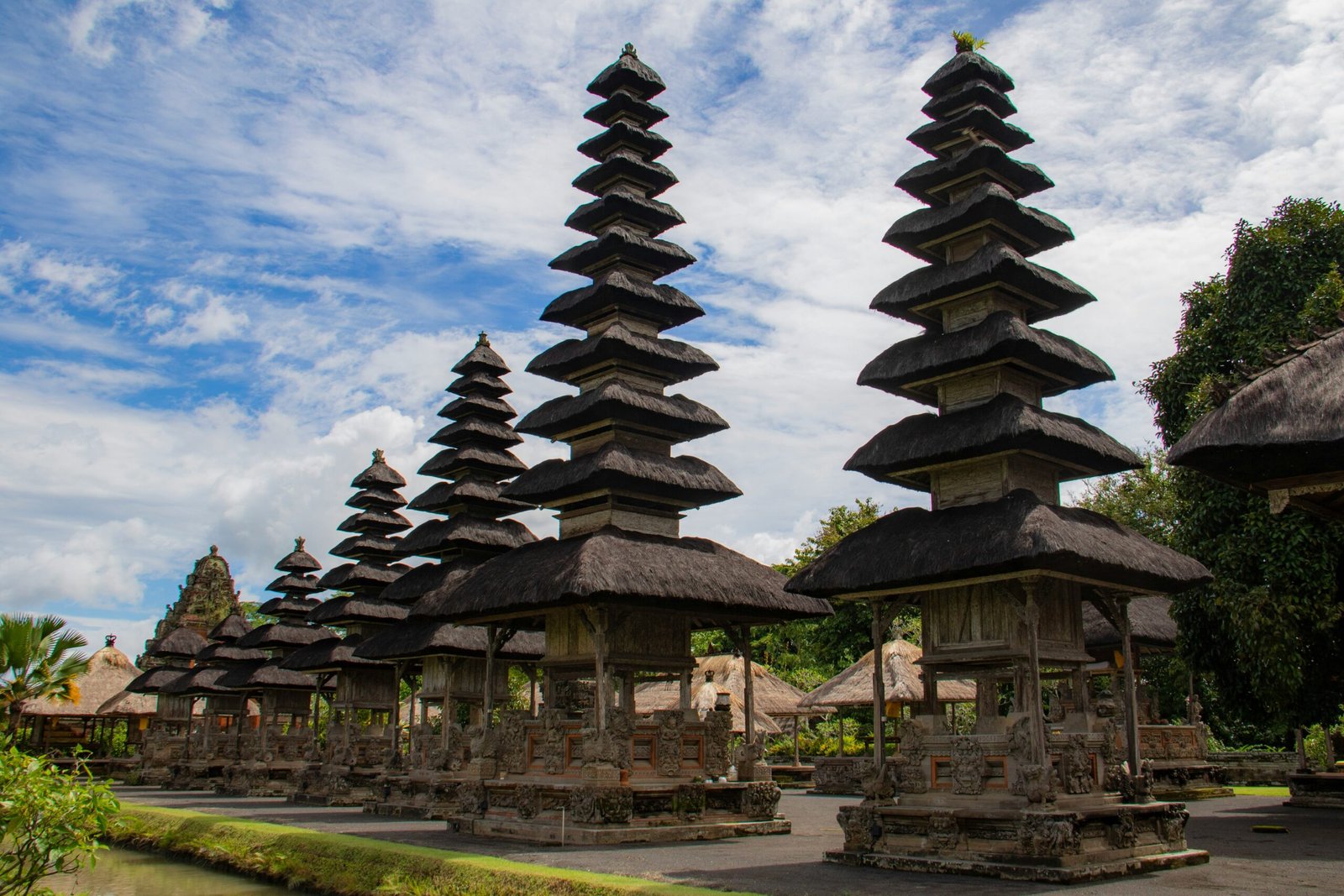
Nestled in the heart of Indonesia, Bali is a treasure trove of cultural history and spiritual significance. Known for its stunning landscapes, vibrant arts scene, and warm hospitality, this island paradise also boasts a rich tapestry of ancient temples that echo Bali’s spiritual heritage and historical narratives. Traversing these sacred sites not only allows visitors to glimpse the island’s artistic achievements but also to understand the deep-rooted beliefs that have shaped Balinese culture for centuries.
The Historical Significance of Balinese Temples
Bali houses thousands of temples, with architecture that reflects a blend of Hindu and Buddhist influences. Each temple, locally referred to as "pura," plays a vital role in the lives of the Balinese people. The island’s temples are not merely structures; they are spiritual homes for gods and a platform for the community’s religious practices. From offering rituals to various ceremonies, these sacred places are central to Balinese identity.
Most temples in Bali date back to the 10th century, showcasing intricate carvings and stupendous structures that radiate divine energy. The majestic constructions were strategically built to harmonize with their natural surroundings, representing a balance between spiritual beliefs and the environment.
Major Temples to Explore
Pura Besakih
Often called the "Mother Temple," Pura Besakih is the largest and holiest temple in Bali. Set on the slopes of Mount Agung, this temple complex consists of over 80 individual temples. It has been a significant site for ritual ceremonies for centuries. Visitors flock to experience the breathtaking vistas and serene atmosphere, enhanced by the frequent local prayers and offerings.
Uluwatu Temple
Perched on a cliff above the Indian Ocean, Uluwatu Temple is renowned for its stunning sunsets and panoramic sea views. Built in the 11th century, it is one of Bali’s key temples dedicated to the spirits of the ocean. The temple is also famous for its traditional Kecak dance performances, which further immerse visitors in the island’s rich culture.
Tanah Lot
Tanah Lot is perhaps the most iconic temple in Bali, known for its unique offshore setting and stunning sunset views. Built on a rock formation surrounded by the sea, this 16th-century temple symbolizes the harmony of nature and spirituality. The temple enhances its aura during high tide when it appears to float on the water.
Pura Taman Ayun
A UNESCO World Heritage Site, Taman Ayun Temple is distinguished by its beautiful gardens and traditional Balinese architecture. The temple, which dates back to the 17th century, features stunning multi-tiered shrines surrounded by lush greenery, making it an oasis of peace and a perfect spot for contemplation.
Rituals and Offerings
Rituals are integral to Balinese life, and temples are the focal points for these religious practices. Offerings, known as "canang sari," are made daily, consisting of flowers, fruits, and incense, arranged artfully in small woven baskets. These offerings serve not only as a form of devotion but also as an expression of appreciation for the divine.
Festivals are another essential aspect of temple life, attracting many locals and tourists alike. Celebrations in Bali often occur according to the Balinese lunar calendar, featuring vibrant processions, traditional dance performances, and elaborate ceremonies. One of the most significant events, the Nyepi Day or the Day of Silence, is celebrated annually, marking the Balinese New Year with a day of fasting and meditation.
The Architectural Marvels
Balinese temple architecture reflects intricate artistry that embodies philosophical and spiritual concepts. Each temple incorporates several elements, such as the “padmasana” (a throne for the supreme God), tiered roofs, and decorative motifs illustrating mythical stories. Intricate stone carvings of deities and mythological creatures serve not only an aesthetic purpose but also carry profound symbolic meanings.
The layout of a Balinese temple is designed to symbolize the cosmos, with a sacred center that represents the divine realm, while the outer areas symbolize the earthly plane. This architectural philosophy exemplifies Bali’s deep connection to spirituality and nature. Visitors are often struck by the beauty and meticulous attention to detail evident in the craftsmanship of these temples.
Preserving the Heritage
Despite the pressures of modernization, Bali’s ancient temples remain well-preserved and maintained, showcasing the resilience and devotion of the Balinese people. Local communities take pride in their temples, often engaging in restoration projects to ensure these cultural landmarks endure for future generations.
Many temples also play a crucial role in promoting cultural awareness and tourism, with numerous visitors taking guided tours to learn about history, architecture, and ritual practices. Engaging with local guides can enhance the experience, as they provide insightful anecdotes and details that may not be readily apparent to travelers.
Frequently Asked Questions (FAQs)
1. What is the best time to visit Bali’s temples?
The best time to visit Bali is during the dry season from April to October, when the weather is pleasant for outdoor explorations. Early mornings or late afternoons are ideal for visiting temples to avoid crowds and enjoy the serene ambiance.
2. Do I need to dress differently when visiting temples?
Yes, visitors must dress modestly when entering temples. Sarongs and sashes are often required and can typically be rented at the temple site. This practice shows respect for the sanctity of the religious space.
3. Are there entrance fees for the temples?
Most temples in Bali have entrance fees, usually ranging from IDR 10,000 to IDR 100,000. Some popular temples may have higher fees, especially during festivals.
4. Can I take photographs inside the temples?
While photography is allowed in many areas, some temples may have restrictions. It’s advisable to ask local guides or check for signage indicating permission before taking photos.
5. How do the locals celebrate temple festivals?
Local celebrations vary by temple and occasion, typically involving offerings, processions, music, dance, and rituals. Attending a festival is a great way to immerse oneself in Balinese culture.
Conclusion
Exploring Bali’s ancient temples offers profound insights into the island’s cultural and spiritual heritage. Each temple tells a unique story, reflecting generations of beliefs and practices that continue to influence the island’s identity. Whether you are seeking spiritual enlightenment, architectural appreciation, or a deeper connection with local culture, Bali’s temples promise an enriching experience that resonates long after you leave their sacred grounds.