Introduction
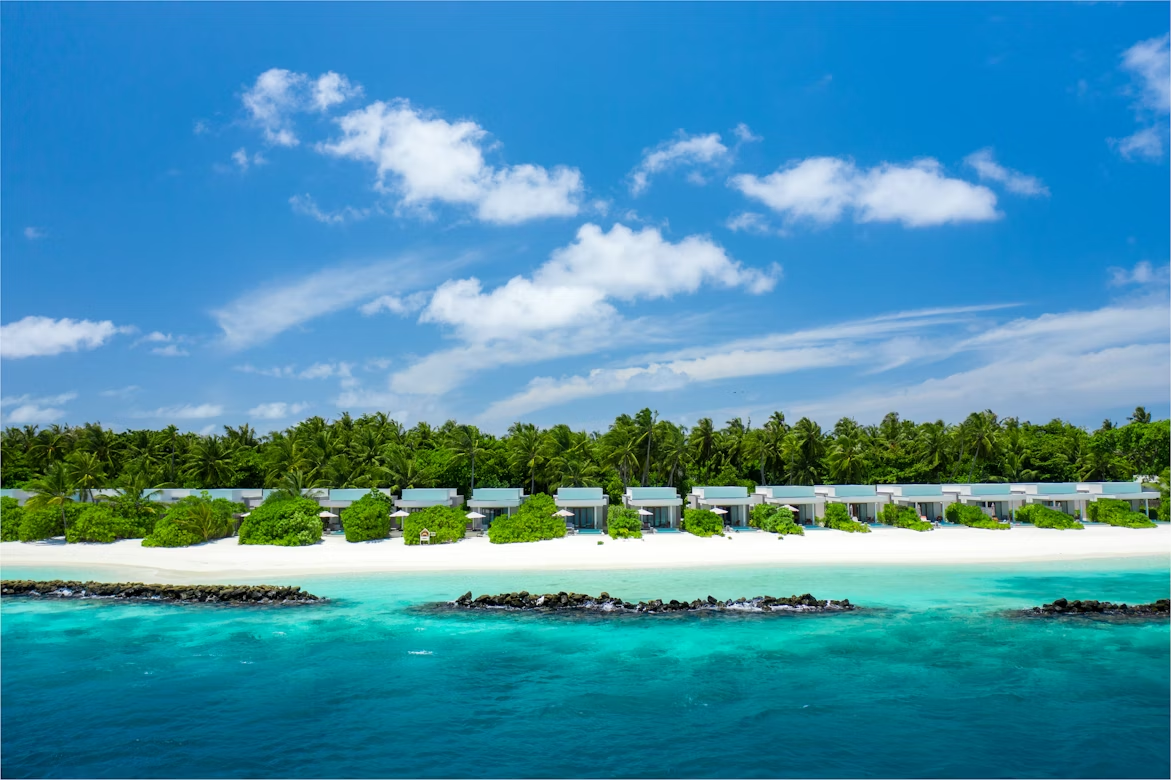
The Maldives, a tropical paradise in the Indian Ocean, is renowned for its stunning beaches, crystal-clear waters, and vibrant marine life. However, beyond its natural beauty, the Maldives boasts a rich cultural heritage shaped by over a millennium of history. From ancient rituals to modern-day traditions, the islands offer a fascinating glimpse into a unique way of life. This article explores the cultural experiences not to miss when visiting the Maldives, providing insights into the customs, traditions, and history that define this archipelago.
The Historical Background of the Maldives
The Maldives has a history spanning over 2,500 years, influenced by various civilizations. Initially settled by people from South Asia, the islands have seen the arrival of Arab traders, whose influence is evident in the local language, Dhivehi, and the prevalent Islamic culture. The Maldives became an independent sultanate in the 12th century, and the Islamic faith has played a pivotal role in shaping its culture ever since. The country gained independence from British rule in 1965, paving the way for its modern identity.
Traditional Arts and Crafts
The artistic expressions in the Maldives are deeply rooted in its cultural heritage. Traditional crafts, including lacquer work, mat weaving, and Thun’du (handmade wooden crafts), reflect the skills passed down through generations. Visitors can witness artisans at work and even participate in workshops to learn these crafts, making for a memorable experience.
Lacquer Work
Laccadive lacquer work involves the intricate application of neat designs on wooden surfaces. The process, which requires patience and precision, results in stunning pieces that are not only functional but also serve as beautiful decor. Look for these pieces in local markets or artisan shops.
Mat Weaving
Traditionally woven from palm leaves, mats in the Maldives are called “Thundu.” This craft showcases the creative flair of Maldivian women, who create vibrant colors and patterns. Tourists can often participate in mat weaving workshops, learning from the locals and creating their souvenirs.
Thun’du Crafting
Thun’du refers to local wooden crafts, commonly made from the coconut tree. Items like decorative bowls, utensils, and household items are made using traditional techniques. Engaging with local craftsmen offers insight into the meaningful symbolism behind each piece.
Culinary Experiences
The Maldives’ cuisine is a delightful blend of flavors influenced by Indian, Sri Lankan, and Middle Eastern foods. Dining is an essential cultural experience, and visitors are encouraged to savor local dishes in their authentic environment—be it a beachside barbecue or a traditional Maldivian feast.
Mas Huni
Predominantly eaten for breakfast, Mas Huni is a traditional Maldivian dish made of tuna, coconut, onions, and chili, served with flatbread called “roshi.” It’s a delicious, healthy start to the day, showcasing the gourmet use of locally sourced ingredients.
Garudhiya
This traditional fish soup, made from tuna, is a staple in Maldivian meals. Served with rice, lime, chili, and onions, Garudhiya reflects the islanders’ reliance on the ocean for sustenance. Observing its preparation offers insight into the deep ties the locals have with their marine environment.
Fihunu Mas
Fihunu Mas, or grilled fish, is another must-try delicacy. The fish, marinated in spices, is cooked over an open flame, often accompanied by rice and salad. Dining on the beach, watching the sunset while enjoying this dish, is an experience to remember.
Festivals and Celebrations
The Maldives is home to a number of vibrant festivals that reflect its rich cultural tapestry. These festivities, often rooted in tradition, provide visitors with a chance to observe local customs and join in the celebrations.
Independence Day
Celebrated annually on July 26th, Independence Day marks the Maldives’ freedom from British colonial rule. The occasion is marked by parades, cultural shows, and fireworks, where locals gather to celebrate their national identity with pride.
Eid Festivals
As a predominantly Muslim country, Eid al-Fitr and Eid al-Adha are significant celebrations in the Maldives. These festivals involve prayer, feasting, and community gatherings, offering a peek into the spiritual practices and communal life of the Maldivian people.
Kuda Bandos Festival
This unique festival takes place on the island of Bandos and is celebrated at the end of the month of Ramadan. It symbolizes community and fellowship, featuring music, dance, and food. Participating in this festival allows tourists to appreciate the local customs and joyous spirit of the Maldivians.
Religious Practices and Spirituality
Islam is the state religion of the Maldives, playing a crucial role in daily life. Understanding the local religious practices can enhance one’s appreciation for the islands’ culture. Visitors should be respectful while engaging with places of worship and local traditions.
Friday Prayers
Every Friday, Muslims gather for the Friday prayers, which are a significant part of their spiritual life. Observing these prayers provides insight into the communal aspects of Islam in the Maldives.
Islamic Architecture
The Maldives features unique architectural styles, especially noticeable in its mosques. The Hukuru Miskiy (Friday Mosque) in Malé, constructed from coral stone, is a prime example. Visitors can explore its intricate carvings and learn about its historical significance.
Language and Literature
The local language, Dhivehi, is an essential aspect of Maldivian identity. The language, which boasts unique scripts and influences from Arabic, Tamil, and English, reflects the islands’ diverse heritage. Visitors to the Maldives are encouraged to learn a few basic phrases, enhancing their cultural experience.
Dhivehi Language
Learning the Dhivehi language can be a fun and rewarding experience. Simple phrases like “Bodu dhanee” (thank you) and “Baajjeh janaa?” (how are you?) can help visitors connect with the locals. Teaching sessions are often available in guesthouses, enriching the overall experience.
Folklore and Storytelling
Oral storytelling is a cherished tradition among Maldivians. Tales of whales, mermaids, and supernatural beings dominate the folk narrative. Engaging with local storytellers can immerse visitors in the rich tapestry of Maldivian folklore and provide insight into the island culture’s moral teachings and values.
Nature and Environment
The Maldives is not just about cultural experiences; it is also a haven for nature lovers. Preserving the islands’ natural beauty is integral to sustaining its culture and lifestyle. Visitors are encouraged to engage responsibly with the environment through eco-tourism and conservation efforts.
Coral Reefs and Marine Life
The Maldives is famous for its coral reefs, which are home to diverse marine life. Snorkeling and diving excursions allow visitors to explore these vibrant ecosystems while promoting conservation efforts. Understanding the significance of the reefs in the local economy and culture enhances the appreciation for this natural heritage.
Island Hopping Experiences
Island hopping offers a chance to witness the unique cultural practices of various Maldivian islands. Each island has its specific charm, traditions, and ways of life. Engaging with different communities enriches the cultural exploration, leading to memorable interactions.
Conclusion
Exploring the Maldives extends beyond breathtaking beaches and idyllic resorts. The rich cultural heritage, deeply rooted in history, traditions, and communal experiences, makes it a compelling destination for travelers seeking a deeper connection with this tropical paradise. From traditional crafts and culinary adventures to vibrant festivals and spiritual practices, the Maldives offers countless opportunities for cultural enrichment. As visitors embrace the essence of Maldivian culture, they contribute to the preservation of this vibrant heritage for future generations.
Frequently Asked Questions (FAQs)
1. What is the best time to visit the Maldives?
The best time to visit is between November and April, during the dry season when weather conditions are favorable for beach activities and water sports.
2. Are there any customs I should be aware of when visiting the Maldives?
Yes, being respectful of local customs is essential. Dress modestly when visiting local islands and refrain from public displays of affection. Understanding basic local phrases, like greetings in Dhivehi, can also enhance interactions.
3. What should I pack for a trip to the Maldives?
Packing light, breathable clothing, swimwear, sunscreen, and insect repellent is recommended. Don’t forget travel essentials like a snorkel mask if you intend to explore the coral reefs.
4. Can I participate in local festivals as a tourist?
Absolutely! Participating in local festivals can enrich your experience, and locals generally welcome visitors to join in their celebrations.
5. What languages are spoken in the Maldives?
The official language is Dhivehi. English is widely spoken, especially in tourist areas, but learning a few local phrases is encouraged to enhance your cultural experience.